The Hidden Fat That Can Accumulate Before Your Blood Tests Become Abnormal
Visceral fat is the fat stored deep inside your abdomen, around your organs.
It can accumulate quietly for years — including in people who don't look overweight — and is strongly associated with insulin resistance, fatty liver and metabolic disease.
The good news?
It is measurable.
And it is modifiable.
Get my free guide to identifying and eliminating visceral fat.
Written by Dr Max Gulhane — GP and metabolic health physician.
GET THE FREE GUIDE
Metabolic disease often begins long before diagnosis
Metabolic disease doesn't suddenly appear the day your HbA1c crosses a diagnostic threshold.
For years beforehand, the body may be compensating for an environment it was never designed to tolerate.
Energy increasingly spills out of healthy storage sites.
Fat begins accumulating in places it shouldn't — within the abdomen, liver and around organs.
This is why I believe visceral and ectopic fat are among the most useful structural markers of metabolic health.
LEARN MORE ABOUT VISCERAL FAT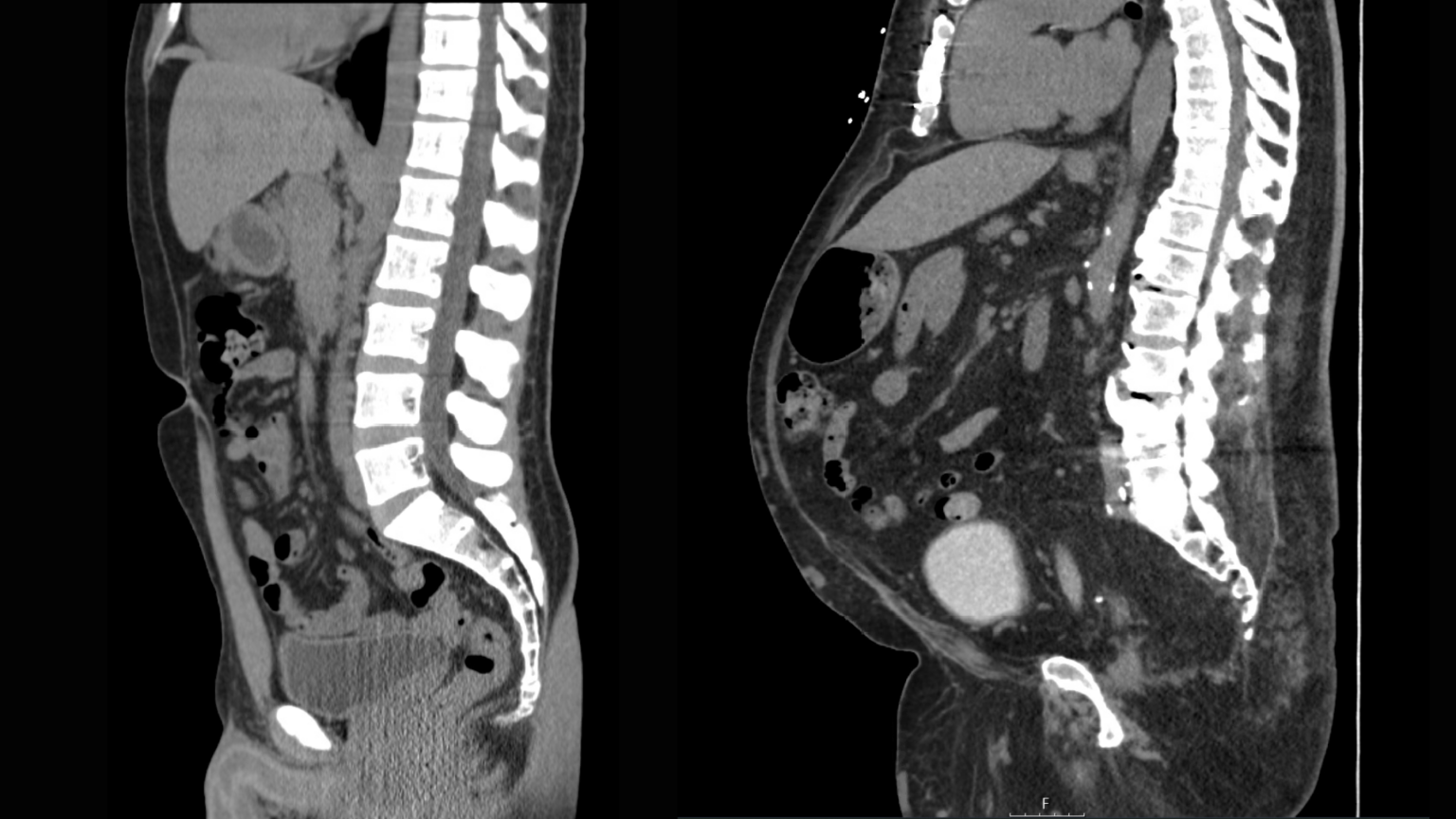
Not all body fat is equal
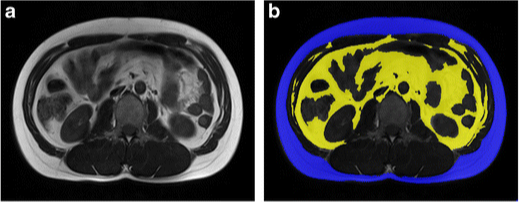
Subcutaneous fat (blue) sits beneath the skin and acts as a relatively safe reservoir for storing excess energy.
Visceral fat (yellow) accumulates inside the abdomen around the organs.
As our capacity for safe energy storage becomes exceeded or impaired, visceral and ectopic fat can increase — even in people with a normal BMI.
That distinction changes the question from:
“How much do I weigh?”
to:
“Where is my energy being stored?”
Our modern environment is colliding with ancient biology
Human physiology evolved around powerful environmental signals: daylight and darkness, seasonal food availability, periods of feeding and fasting, physical exertion, temperature variation and natural sleep-wake cycles.
Modern life can look very different:
-
constant access to energy-dense food
-
ultra-processed foods and alcohol
-
artificial light late into the evening
-
inadequate daylight exposure
-
sedentary indoor living
-
disrupted sleep and circadian rhythms
-
chronic psychological stress
Over time, these inputs can alter insulin sensitivity, appetite regulation, energy expenditure and the way energy is partitioned between muscle, subcutaneous fat and visceral or ectopic fat.
The solution is not simply “eat less and move more.”
It is to restore the conditions that allow human physiology to work properly.
Visceral fat is a warning signal — not simply an aesthetic problem
Visceral fat is associated with:
-
insulin resistance
-
fatty liver
-
hypertension
-
abnormal lipids
-
cardiovascular disease
-
type 2 diabetes
-
chronic inflammation
But the important point is this:
visceral fat is changeable.
Its accumulation reflects an altered metabolic environment — and when that environment changes, visceral fat can change with it.
What if you could actually see your metabolic health?
Most metabolic health assessments rely on indirect markers:
body weight, waist circumference, glucose, insulin, triglycerides and liver enzymes.
These are useful.
But they don't directly show you where fat is being stored inside your body.
Magnetic resonance imaging can.
MRI allows us to visualise and quantify visceral fat, liver fat and other structural manifestations of metabolic dysfunction — without ionising radiation.
This is the technology behind a new metabolic assessment service I am preparing to launch.
Founders Round opening soon.
GET THE FREE GUIDE + RECEIVE FOUNDERS ROUND UPDATES
Work with me directly
For people wanting personalised help with metabolic health, lifestyle optimisation or interpretation of existing investigations, I also offer private consultations.
Consultations are available Australia-wide and internationallu.
Book ConsultationGo deeper with the Regenerative Health Podcast
More than 100 conversations with researchers, physicians and practitioners exploring metabolism, circadian biology, photobiology, nutrition, mitochondrial health and the environmental determinants of chronic disease.
If you want to understand the ideas behind my clinical approach, start here.
